Real Estate Management Software and System
The real estate industry is becoming increasingly competitive, and managing properties has grown far beyond maintaining spreadsheets, paper files, or disconnected software. Whether you're a real estate developer, property management company, housing society, commercial property owner, or real estate agency, handling multiple properties, tenants, leases, maintenance requests, financial records, and sales activities manually can quickly become overwhelming.
As businesses expand, even small operational inefficiencies can lead to delayed payments, vacant properties, missed maintenance schedules, inaccurate financial reporting, and poor customer experiences. Information often becomes scattered across different departments, making it difficult for management to obtain a complete view of business performance.
This is why more organizations are investing in Real Estate Management Software to centralize operations and improve efficiency. Instead of managing every process separately, a modern Real Estate Management System brings property management, tenant information, lease agreements, accounting, maintenance, customer relationship management (CRM), and reporting together within a single platform. Many businesses also refer to these solutions as Property Management Software, since they simplify property operations, tenant management, financial tracking, and maintenance from one centralized platform.
Rather than simply storing data, the software helps businesses automate routine processes, improve communication between departments, reduce manual work, and make faster, data-driven decisions. Managers can monitor occupancy rates, rental income, maintenance activities, sales performance, and financial reports in real time without switching between multiple systems.
Whether you manage residential apartments, commercial buildings, housing projects, industrial properties, mixed-use developments, or large real estate portfolios, implementing the right software provides greater visibility, better operational control, and a stronger foundation for long-term business growth.
In this comprehensive guide, we'll explain what a Real Estate Management System is, how it works, its essential features, the benefits it offers, and how to choose the best solution for your business.
What Is Real Estate Management Software?
Real Estate Management Software is a centralized business solution designed to help real estate organizations manage every stage of property operations through one integrated system. Instead of relying on separate applications for property records, accounting, maintenance, leasing, customer management, and reporting, the software connects these functions into a single platform where information is updated in real time.
A modern Property Management System allows businesses to organize property listings, monitor occupancy, manage lease agreements, track rental payments, schedule maintenance, maintain customer records, and generate business reports without the complexity of manual processes. Because every department works from the same database, information remains consistent, reducing errors and improving collaboration across the organization.
For growing real estate businesses, this centralized approach makes daily operations more efficient while giving management greater visibility into overall business performance. Whether the organization manages a single residential project or multiple commercial and residential properties across different locations, the software provides the control needed to manage operations with greater accuracy and confidence.
Unlike basic property management tools that focus only on rent collection or tenant records, modern real estate solutions can also integrate with accounting, procurement, customer relationship management (CRM), project management, inventory, and financial reporting. This enables businesses to manage both operational and financial activities from one connected system while supporting future growth.
Challenges of Managing Real Estate Without a Real Estate Management System
Many real estate businesses begin with spreadsheets, paper records, or separate software applications for different departments. While this approach may work for smaller operations, it becomes increasingly difficult as the number of properties, tenants, clients, and transactions grows.
Without an integrated Real Estate Management System, information is often scattered across multiple platforms, making it harder to maintain accuracy and respond quickly to changing business requirements. Teams spend valuable time searching for information, updating records manually, and reconciling data between departments instead of focusing on customer service and business growth.
Some of the most common operational challenges include:
Difficulty tracking multiple properties and units
Delayed rent collection and payment follow-ups
Manual lease agreement management
Poor visibility into property occupancy
Maintenance requests being overlooked or delayed
Disconnected accounting and financial records
Limited reporting and business insights
Duplicate data entry across different systems
Communication gaps between departments
Reduced operational efficiency as the business grows
These challenges not only increase administrative workload but can also affect customer satisfaction, financial accuracy, and long-term profitability. As real estate operations become more complex, businesses need a connected system that allows every department to work with accurate, real-time information while automating repetitive tasks and improving overall efficiency.
Key Features of a Real Estate Management System
Choosing the right Real Estate Management Software is not just about digitizing property records it's about creating a connected system that simplifies daily operations, improves collaboration, and provides complete visibility across the business. A well-designed solution brings multiple processes together, allowing teams to work more efficiently while reducing manual effort.
Some of the most valuable features businesses should look for include:
Property and Unit Management
The software should provide a centralized database for managing residential, commercial, industrial, and mixed-use properties. Businesses can maintain complete information about each property, including unit availability, occupancy status, ownership details, pricing, floor plans, and property history from one location.
Tenant and Lease Management
Managing tenant information manually often leads to missed renewals and inconsistent records. A real estate industry insights keeps lease agreements, tenant profiles, rental terms, security deposits, renewal dates, and payment schedules organized while helping businesses monitor lease performance more efficiently.
Rent and Financial Management
Tracking rental income is one of the most important aspects of property management. Modern software records rent payments, outstanding balances, security deposits, recurring charges, and financial transactions while generating accurate reports that support better financial planning.
Maintenance and Service Requests
Property maintenance directly affects tenant satisfaction and property value. The software allows businesses to record maintenance requests, assign work orders, monitor progress, and maintain complete service histories for every property without relying on manual follow-ups.
Customer Relationship Management (CRM)
For developers and real estate agencies, managing leads efficiently is essential. Integrated CRM capabilities help sales teams organize inquiries, track follow-ups, manage client communications, schedule site visits, and monitor sales opportunities throughout the customer journey.
Document Management
Real estate businesses deal with large volumes of documentation, including lease agreements, contracts, ownership records, legal documents, approvals, and payment receipts. A centralized document management system ensures these records remain organized, secure, and easily accessible whenever required.
Reporting and Business Analytics
Management requires accurate information to make informed decisions. Real Estate Management Software provides dashboards and reports covering occupancy rates, rental income, vacant units, maintenance costs, sales performance, financial summaries, and overall business performance through real-time analytics.
Benefits of Using a Real Estate Management Software and System
Implementing a Real Estate Management System provides benefits that extend far beyond replacing paperwork with digital records. It improves how different departments work together while giving management greater control over operations and business performance.
One of the biggest advantages is improved operational efficiency. Since property information, financial records, tenant data, and maintenance activities are managed within one platform, employees spend less time searching for information or updating multiple systems.
The software also improves financial accuracy by recording rental income, tracking expenses, monitoring outstanding payments, and generating reports automatically. This helps management maintain better financial control while reducing manual accounting work.
Automation further simplifies daily operations. Routine activities such as rent reminders, lease renewals, maintenance scheduling, and reporting can be handled automatically, allowing employees to focus on higher-value tasks instead of repetitive administrative work.
Customer satisfaction also improves because tenants, buyers, investors, and property owners receive faster responses, more accurate information, and better service throughout the property lifecycle.
As businesses continue expanding, the software provides scalability without increasing operational complexity. Whether managing additional buildings, multiple branches, or larger property portfolios, organizations can maintain consistent processes while keeping every department connected through one centralized platform.
For growing real estate businesses, investing in the right management system is not simply about improving administration it creates a stronger operational foundation that supports sustainable growth, better decision-making, and long-term profitability.
How ERP Integration Improves Real Estate Management
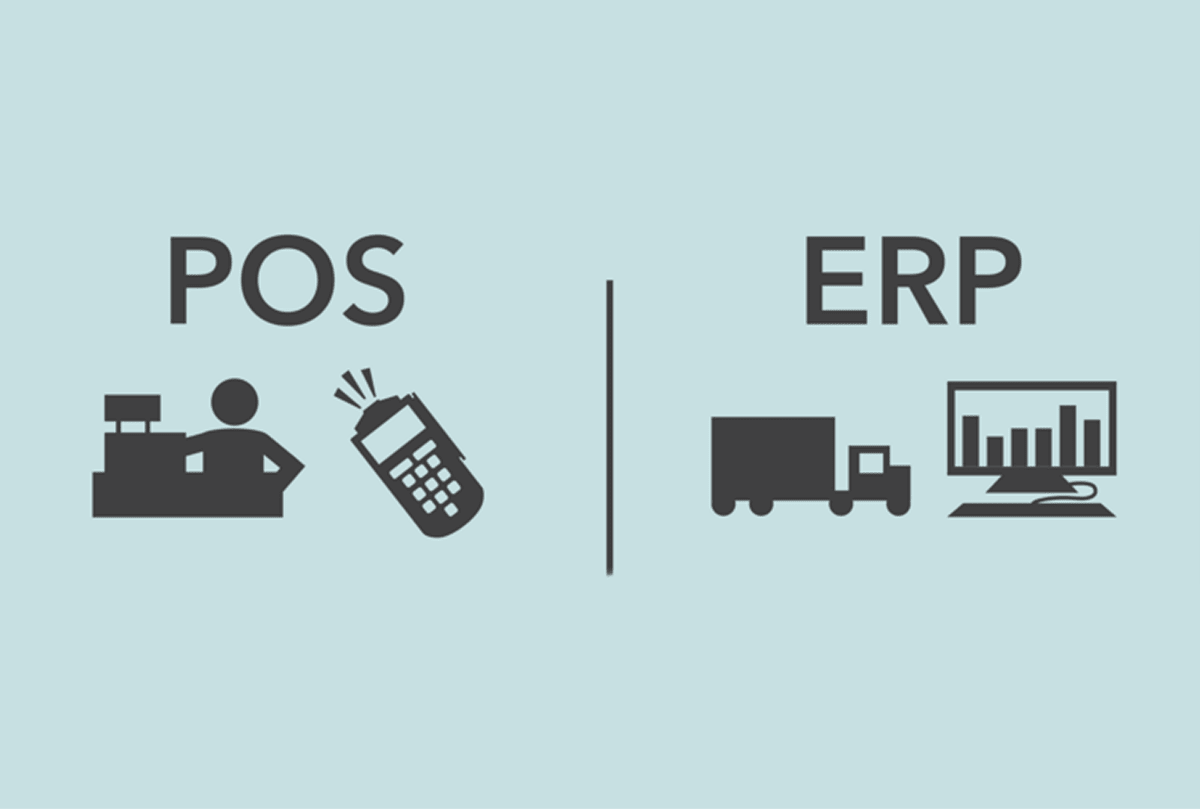
While Real Estate Management Software helps businesses organize property-related operations, integrating it with a Real Estate ERP creates a much more connected and intelligent business environment.
Instead of managing finance, purchasing, human resources, customer relationships, inventory, and projects through separate applications, an ERP connects every department within a single platform. This allows information to flow automatically across the organization without duplicate data entry or disconnected records.
For example, when a property is sold or leased, the ERP can automatically update customer records, generate financial entries, adjust revenue reports, notify relevant departments, and provide management with real-time business insights. Similarly, maintenance expenses, procurement activities, payroll, project budgets, and operational costs can all be monitored from one centralized system.
For real estate developers managing multiple projects, ERP also improves coordination between engineering, procurement, finance, project management, sales, and executive teams. Every department works with the same real-time information, reducing delays and improving overall operational efficiency.
As businesses expand their property portfolios, combining Real Estate Management Software with ERP provides greater control, improved financial visibility, and better long-term scalability.
Why Businesses Choose Multi Techno ERP Solutions
Every real estate business operates differently. Some focus on residential projects, while others manage commercial properties, mixed-use developments, rental portfolios, or large construction projects. Because of these differences, businesses need software that adapts to their processes rather than forcing them to change how they work.
Multi Techno develops ERP solutions designed to help organizations centralize operations, automate workflows, and improve decision-making through one integrated platform. Instead of using separate software for finance, procurement, project management, customer relationship management (CRM), human resources, inventory, and reporting, businesses can manage everything from a single ERP environment.
For real estate companies, this means improved visibility across property sales, leasing operations, financial management, project progress, customer interactions, and business performance. As organizations grow, the system scales with their operations, supporting multiple projects, branches, and business units without increasing operational complexity.
Whether your business requires a cloud-based ERP, a web-based solution, or a customized enterprise platform, Multi Techno provides industry-focused ERP solutions that support long-term digital transformation and sustainable business growth.
Frequently Asked Questions
What is Real Estate Management Software?
Real Estate Management Software is a digital solution that helps businesses manage properties, tenants, lease agreements, maintenance activities, financial records, and reporting through one centralized platform.
Who should use a Real Estate Management System?
Property management companies, real estate developers, housing societies, commercial property owners, real estate agencies, and businesses managing rental portfolios can all benefit from implementing a Real Estate Management System.
Can Real Estate Management Software integrate with ERP?
Yes. Many modern Real Estate Management Systems integrate with ERP software, allowing finance, procurement, customer management, project management, human resources, and reporting to work together through one connected platform.
Is Real Estate Management Software suitable for small businesses?
Yes. Modern solutions are scalable and can support both small property management businesses and large enterprises managing multiple projects or extensive property portfolios.
What are the biggest benefits of using Real Estate Management Software?
The software helps improve operational efficiency, automate routine tasks, organize property records, enhance tenant management, strengthen financial control, improve reporting accuracy, and support better business decisions through centralized information.
Conclusion
Managing real estate successfully requires more than maintaining property records or collecting rent. As businesses grow, they need better visibility into operations, stronger financial control, improved customer management, and streamlined communication across multiple departments.
A modern Real Estate Management Software and System provides that foundation by centralizing property information, automating routine processes, improving tenant and lease management, simplifying maintenance tracking, and delivering real-time business insights. Instead of relying on disconnected spreadsheets or manual processes, organizations can manage their entire property portfolio through one integrated platform.
For businesses looking to achieve even greater operational efficiency, integrating Real Estate Management Software with an ERP system creates a connected ecosystem where finance, procurement, project management, customer relationship management (CRM), human resources, and reporting work together seamlessly. This enables faster decision-making, improved collaboration, and sustainable business growth.
As Pakistan's real estate sector continues to evolve, investing in the right digital solution is no longer just about improving daily operations it's about building a smarter, more scalable business that is prepared for future opportunities. The right Real Estate Management Software doesn't simply help you manage properties it creates a connected, scalable business that is prepared for long-term growth, better customer experiences, and smarter business decisions.